
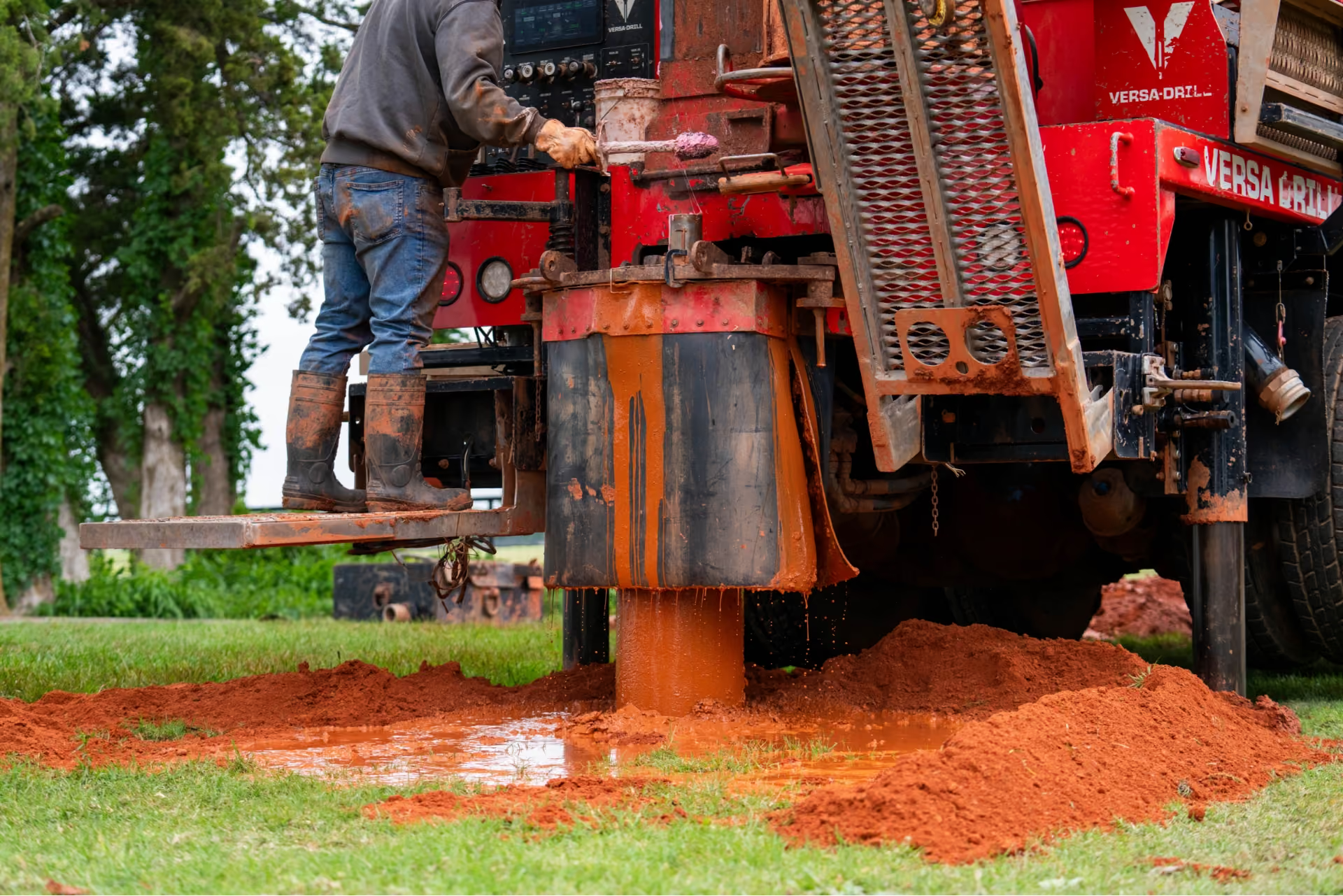
We have installed more geothermal HVAC systems in Oklahoma than any other contractor. We have also been called in to fix systems installed by others that did not perform as promised. Before weighing the geothermal HVAC pros and cons, that experience is worth acknowledging, because the honest version of this conversation is more useful than a sales pitch.
Long-term cost savings. Geothermal heating and cooling consistently delivers lower utility costs over time - not as a theory, but as a documented result across our Oklahoma client base. The ground loop moves heat rather than generating it, and that fundamental efficiency advantage compounds over decades.
Infrastructure longevity. Well fields last 50 years or more. Heat pump equipment runs 20 to 25 years with standard maintenance. Compare that to conventional rooftop units that need full replacement every 15 to 20 years under Oklahoma weather stress. Among geothermal HVAC companies operating in this state, the lifecycle data is consistent.
Reduced system exposure. The most failure-prone components in conventional HVAC are exposed to weather. In a geothermal system, the most critical infrastructure is underground, protected from heat, ice, and wind. The result is fewer emergency repairs and lower reactive maintenance costs over the life of the system.
Improved building comfort. Because the ground maintains a stable temperature regardless of surface conditions, clients who switch to geothermal HVAC installation consistently report that building comfort improved - less temperature variation, fewer hot or cold spots, and more consistent performance across seasons.
Higher upfront cost. There is no honest way around this. Geothermal HVAC service projects cost more upfront than conventional HVAC replacement. The economics only make sense when evaluated over the full lifecycle, and GES provides that analysis at no cost so clients can decide with complete information.
Site dependency. Geothermal viability depends on soil conditions, available land for drilling, and building load profile. Not every site is optimal.
Design quality is everything. Poorly designed geothermal HVAC pros and cons conversations often start with a bad experience from 15 to 20 years ago. Systems designed with insufficient well field capacity, improper inspection, or wrong equipment sizing have underperformed and created justified skepticism. The solution is to work with a contractor who designs correctly from the start and has the engineering and drilling depth to back it up. GES has rehabilitated those failed systems.
For Oklahoma commercial buildings, schools, and government facilities with long-term ownership horizons, the pros of geothermal HVAC consistently outweigh the cons when the system is designed and installed correctly. The key variable is the contractor. If you want an honest evaluation of whether geothermal makes sense for your facility, that conversation starts at no cost.