County commissioners and government facility managers operate under a different set of constraints than private sector owners: public accountability, long budget cycles, and facilities that serve the community around the clock.
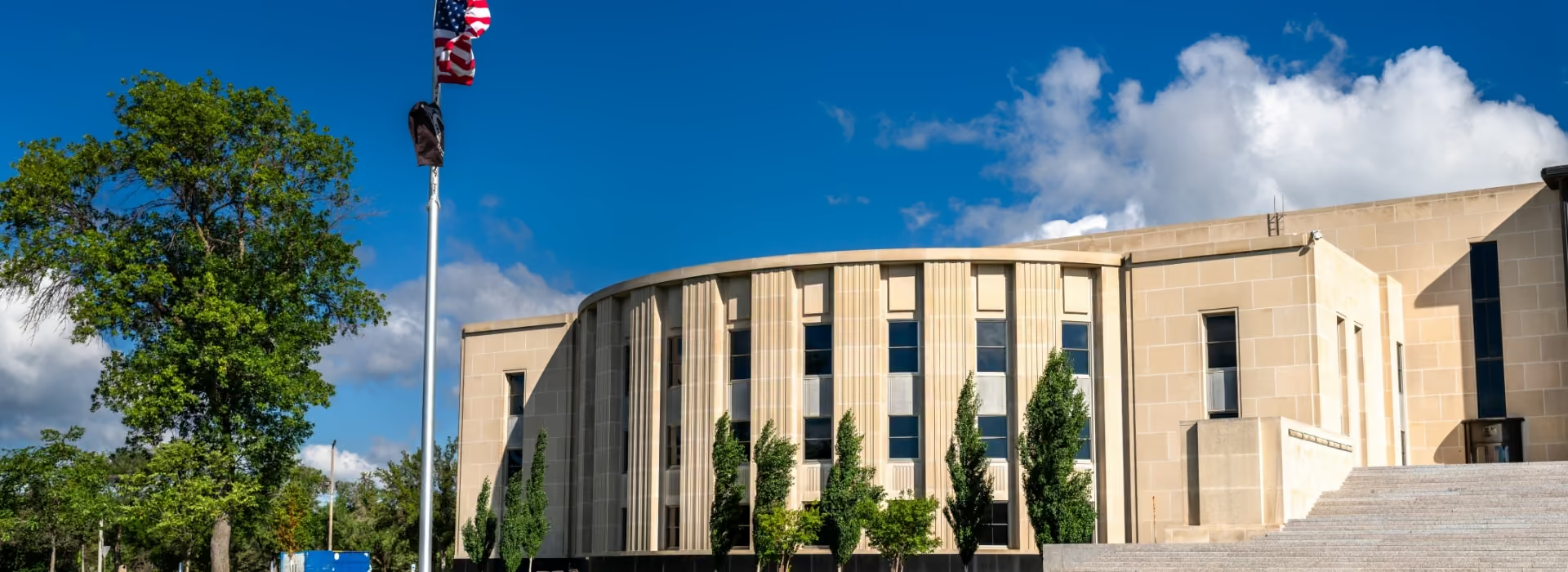
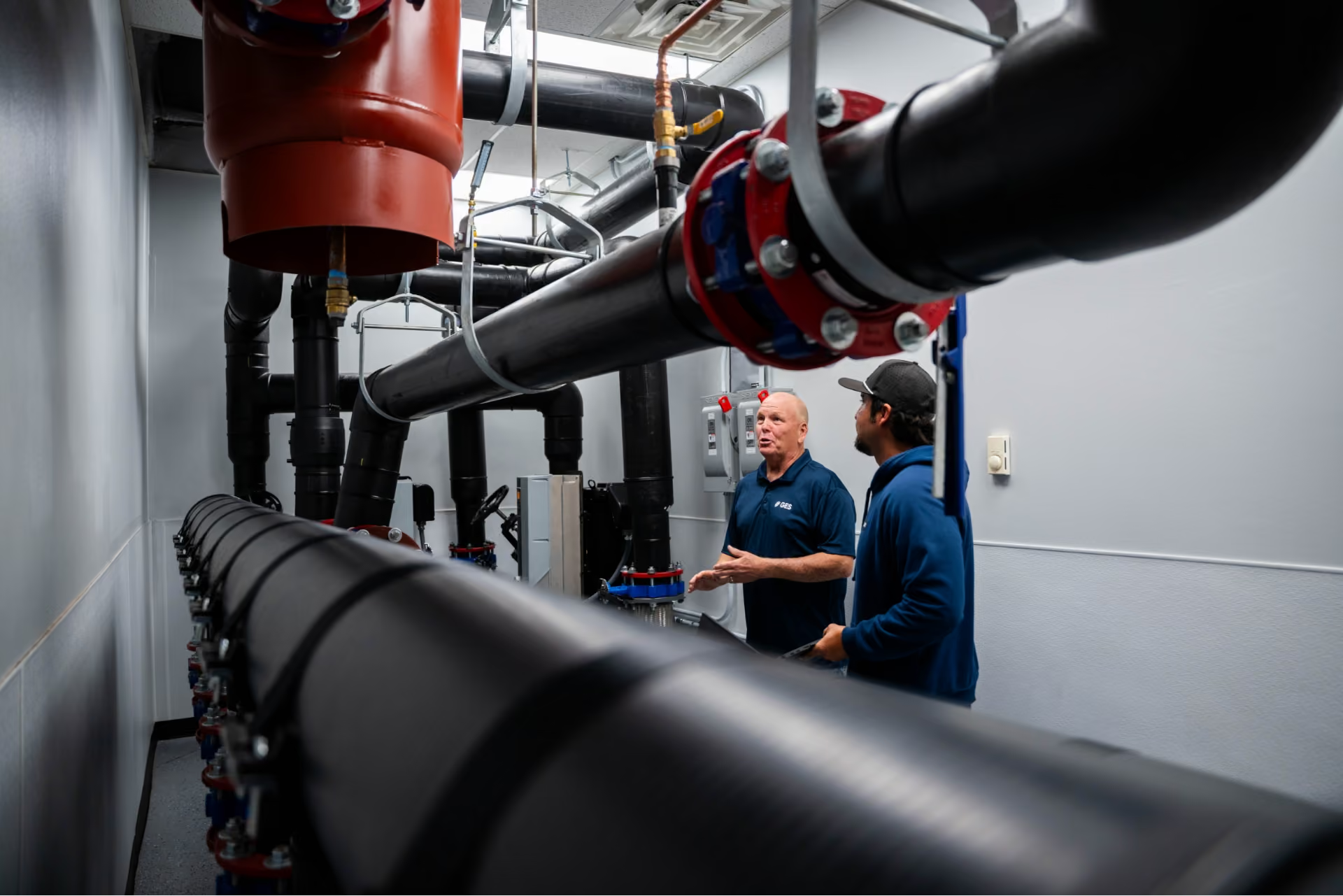
For your buildings, geothermal HVAC replaces aging, unpredictable surface equipment with a ground-source system engineered for decades of stable performance. Courthouses, county office buildings, maintenance facilities, and public-facing operations all benefit from the same outcome: lower operating costs, fewer emergency repairs, and HVAC solutions that hold up over a 20- to 30-year window without requiring full system replacement every 15 years.
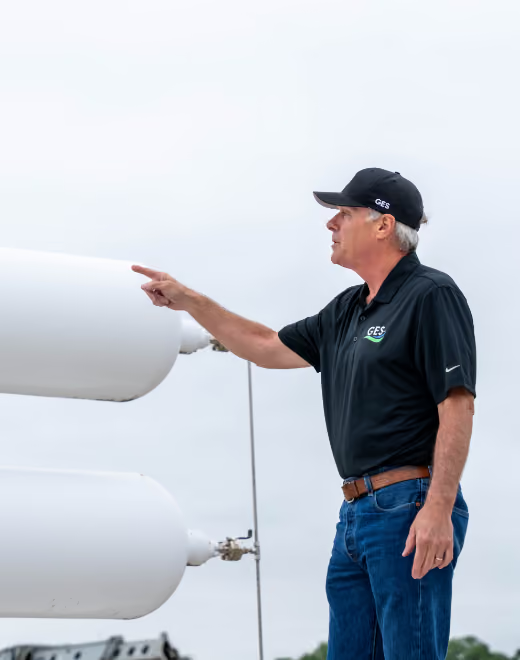
For your vehicle fleet, CNG conversion offers a straightforward path to lower fuel costs on county trucks, maintenance vehicles, and transit equipment. GES has converted hundreds of vehicles across Oklahoma and has the fueling infrastructure experience to match. GES has also installed CNG fueling stations at county facilities across the state, giving fleets a complete, on-site solution. Many county operations find CNG delivers immediate, measurable savings, which builds the case for geothermal heating and cooling investment over time.
GES works within the purchasing frameworks Oklahoma government entities use to move forward with vetted contractors efficiently. We provide the documentation, cost analysis, and project structure that county decision-makers need to present a credible path forward to commissioners, to the public, and to anyone else who needs to sign off.
For county governments with aging HVAC systems, the question is not whether to replace them. It is whether the next replacement will be the last one you have to make for a very long time. Geothermal HVAC makes that possible.
Questions from county administrators, facility directors, and procurement officers, answered plainly.